
Rajasthan is one of India’s most iconic destinations — and the timing of your visit will shape your entire experience. Visit in the cool winter months and you’ll glide through golden forts under blue skies. Visit in summer and you’ll be sharing those forts with temperatures that routinely crack 45°C (113°F).
The good news? Rajasthan has a longer good-travel window than most of India. If you know what each month brings — weather, festivals, crowd levels, and prices — you can find a window that’s perfect for you.
This guide breaks it all down, best time to visit rajasthan, month by month, so you can plan with confidence.
In short: the best time to visit Rajasthan is October to March, when the weather is cool and comfortable, the skies are clear, and the region’s biggest festivals light up the calendar.
Rajasthan by Season: What You Need to Know
Rajasthan has three distinct seasons, each offering a very different experience. Understanding them is the foundation of planning any Rajasthan tour.
Winter (October to March) — the peak season
This is widely considered the best time to visit Rajasthan. Temperatures across the region sit between 8°C and 25°C (46°F to 77°F), making it comfortable to explore forts, palaces, and desert landscapes on foot for hours at a time.
The sky is crisp and blue — perfect for photography. The major festivals fall in this window. And accommodation is plentiful, with most tour operators running their full programmes.
The trade-off: this is also the busiest and most expensive time to visit. Book well in advance, especially around December and January when international visitors peak.
Summer (April to June) — the hot season
Temperatures in the Thar Desert regularly exceed 45°C (113°F) from April through June, with some days pushing toward 48°C. Most outdoor sightseeing becomes uncomfortable by mid-morning.
That said, this period has its advantages: prices drop significantly, crowds thin out dramatically, and you’ll find many heritage hotels offering excellent value. If you can limit outdoor activities to early morning and evening, a summer visit can be surprisingly rewarding — especially in hill stations like Mount Abu, which stays cooler.
Monsoon (July to September) — the shoulder season
The southwest monsoon brings rain to Rajasthan from roughly July through September, though the region receives far less rainfall than the rest of India. Jaisalmer and the far west often stay quite dry even at the peak of monsoon.
The landscape transforms — the Aravalli hills turn green, palaces are reflected in water-filled moats, and the whole state takes on a lushness you wouldn’t expect from a desert region. Fewer tourists, lower prices, and a more local feel make this an underrated time to visit for experienced India travellers.
Month-by-Month Breakdown: Rajasthan Weather & What’s On
October & November — arguably the best months of all
Weather: 15°C–32°C. Warm days, cool evenings. Very low humidity after the monsoon.
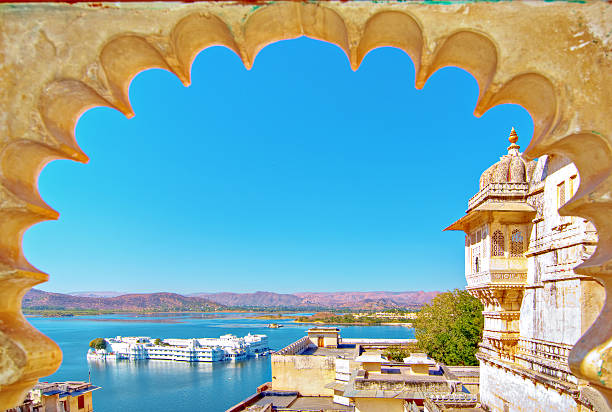
October is the sweet spot. The post-monsoon air is clear, temperatures are pleasant, and the festival season is just beginning. Jaipur’s bazaars start buzzing, Jaisalmer’s dunes are at their most photogenic, and Udaipur’s Lake Pichola reflects the City Palace in perfect stillness.
Festivals:
- Dussehra (October) — celebrated across Rajasthan with processions and effigy burnings, most spectacular in Jaipur and Kota
- Diwali (October/November) — the festival of lights is breathtaking in Jaipur’s old city; the City Palace is illuminated and fireworks light up the night
Verdict: Book early. October and November fill up fast, especially for heritage properties in Udaipur and Jaisalmer.
December & January — peak season, maximum atmosphere
Weather: 8°C–22°C. Cold nights in the desert (can drop to 4°C in Jaisalmer). Sunny, clear days.
December and January are the most popular months to visit Rajasthan among international travellers, particularly those coming from Europe and North America. The weather is crisp and clear — ideal for long days of sightseeing.
Pack layers. The temperature swings between day and night are dramatic, especially in the desert.
Festivals:
- Pushkar Camel Fair (late November/early December, depending on lunar calendar) — one of the most extraordinary festivals in all of Asia, with over 50,000 camels, colourful trade stalls, and folk performances
- Jaipur Literature Festival (January) — the world’s largest free literary festival, held at Diggi Palace
Verdict: The best all-round experience but the highest prices. Book accommodation and tour packages at least 3–4 months ahead.
February & March — festivals and fading crowds
Weather: 14°C–30°C. Warming up but still very comfortable. Some evening chill remains.
February and March offer a slightly more relaxed version of peak season — prices begin to ease, crowds thin a little, and the spring festivals bring spectacular colour to the streets.
Festivals:
- Desert Festival, Jaisalmer (February) — three days of camel races, turban-tying competitions, folk music, and fire dancers set against the golden dunes of Sam Sand Dunes
- Holi (March) — Rajasthan’s Holi celebrations, particularly in Jaipur and Pushkar, are among the most vibrant in India. Prepare to be completely covered in colour
Verdict: One of the most underrated windows to visit. Excellent weather, major festivals, and slightly lower prices than December–January.
April to June — hot but affordable
Weather: 35°C–48°C. Intense heat from mid-April. Early mornings and evenings are manageable.
Not recommended for most first-time visitors. If you do visit in this period, plan all outdoor sightseeing before 10am, retreat to air-conditioned heritage hotels during the afternoon, and resume in the evening after 5pm.
Mount Abu (Rajasthan’s only hill station) is a practical refuge if you’re travelling in May or June — temperatures there stay around 25°C–30°C even at peak summer.
Festivals:
- Summer Festival, Mount Abu (May/June) — folk dances, boat races on Nakki Lake, and music performances
Verdict: Budget travellers who can handle the heat will find great deals. Everyone else should adjust dates if possible.
July to September — the unexpected gem
Weather: 25°C–38°C with intermittent rain. Western Rajasthan (Jaisalmer, Barmer) stays largely dry.
Monsoon Rajasthan is genuinely beautiful and almost entirely tourist-free. Step wells fill with water. Heritage havelis are framed by lush greenery. Hotel rates can drop by 40–50%.
Teej (July/August) and Gangaur (March/April) are two of Rajasthan’s most important women’s festivals — Teej falls in the monsoon season and brings colourful processions through the streets of Jaipur.
Verdict: Ideal for photographers, solo travellers, and those who’ve already done Rajasthan once and want to see a different side of it.
Top Rajasthan Festivals You Shouldn’t Miss
If your travel dates are flexible, planning around a festival will make your Rajasthan trip unforgettable. Here are the five most spectacular:
| Festival | Month | Location | What makes it special |
|---|---|---|---|
| Pushkar Camel Fair | Nov/Dec | Pushkar | One of Asia’s great spectacles — 50,000+ camels |
| Desert Festival | February | Jaisalmer | Camel polo, folk music, fire dancers |
| Holi | March | Jaipur & Pushkar | India’s most colourful celebration |
| Diwali | Oct/Nov | Jaipur, Udaipur | Illuminated palaces and fireworks |
| Jaipur Literature Festival | January | Jaipur | World’s largest free literary festival |
Practical Tips for Timing Your Rajasthan Visit
A few things worth knowing before you book:
Book accommodation early for peak season. Heritage havelis and palace hotels in Udaipur and Jaisalmer often sell out 3–4 months in advance during December and January.
Layer up for the desert at night. Even in November and December, temperatures in Jaisalmer and Sam Sand Dunes can drop below 5°C at night. A warm jacket is essential regardless of the daytime heat.
Rajasthan is large — factor in travel time. The state is the size of France. Going from Jaisalmer to Udaipur is a full day’s journey. A well-planned itinerary matters enormously.
Festival dates shift year to year. Diwali, Holi, and Pushkar Camel Fair are all linked to the Hindu lunar calendar. Dates change by a few weeks each year — always check specific dates before booking.
Photography is best in winter morning light. The golden hour at Jaisalmer Fort, the Hawa Mahal, and Mehrangarh Fort is extraordinarily beautiful from October through February.
FAQ: Best Time to Visit Rajasthan
What is the absolute best month to visit Rajasthan?
October and November offer the ideal combination of post-monsoon clear skies, comfortable temperatures (15°C–32°C), the beginning of festival season, and slightly fewer crowds than the December–January peak. If you can only pick one month, October is it.
Is Rajasthan safe to visit in summer?
Yes, it is safe — but it is genuinely very hot, often exceeding 45°C from April through June. If you visit in summer, plan all outdoor activities before 10am, stay in air-conditioned accommodation, and consider basing yourself in Mount Abu where it stays cooler. Most international tour operators scale back summer programmes.
Can you visit Rajasthan during the monsoon?
Absolutely, and it’s one of the best-kept secrets in Indian travel. Western Rajasthan (Jaisalmer, Bikaner, Jodhpur) receives very little rain even during the monsoon months of July–September. The landscape is green, crowds are minimal, and prices are 30–50% lower than peak season.
Which Rajasthan festival is the most spectacular for tourists?
Most experienced India travellers say the Pushkar Camel Fair (November/December) is unmatched — it’s one of the largest livestock fairs in the world and a truly extraordinary cultural spectacle. However, Holi in Jaipur and the Desert Festival in Jaisalmer are equally memorable and often more accessible.
Is Rajasthan cold in December and January?
Yes — significantly colder than most visitors expect. Daytime temperatures are pleasant at around 18°C–22°C, but nights in the desert (especially Jaisalmer) can drop to 4°C–7°C. Always pack a warm layer for desert camps and early-morning excursions.
Ready to Visit Rajasthan? Let Us Plan It for You.
Planning a Rajasthan trip around the perfect season, deciding best time to visit rajasthan, festival, or weather window takes experience — and that’s exactly what we offer at The Explora Tours.
Our Royal Rajasthan With Taj tour runs throughout the October–March season, taking in Jaipur, Jodhpur, Jaisalmer, Udaipur, and Agra with hand-picked guides and carefully selected heritage hotels.
We customise every departure around the dates that work for you — including special festival-season itineraries for Pushkar, Holi, Diwali, and the Desert Festival.