
India has a way of staying with people long after they leave — in the light on a palace wall at dusk, in the smell of jasmine at a temple entrance, in the sound of a tabla drifting across a courtyard at night. It is a country of extraordinary richness, and the wonderful truth is that age only deepens the experience.
Many of the travellers who find India most rewarding are those who come later in life — with the patience to sit with a place, the curiosity to ask questions, the life experience to appreciate what they are witnessing, and the freedom that retirement or later life can bring to travel slowly and well.
India, in 2026, is more accessible to senior travellers than at any point in its history. Infrastructure has improved significantly across the country — smooth highways, modern airports with full assistance services, comfortable air-conditioned vehicles, and a growing range of heritage hotels and lodges where the emphasis is on calm, character, and genuine hospitality rather than the pace of a younger traveller’s itinerary.
The key to a wonderful India trip over 60 is the same as it is for any great journey: knowing what to prioritise, what to let go, and how to pace things so that every day feels like a pleasure rather than a schedule to get through.
This guide is written for senior travellers — and for the families and friends who may be planning alongside them. It covers the best destinations, the right approach to pace and comfort, practical accessibility information, and why a specialist guided tour transforms the India experience for older visitors in ways that are difficult to overstate.
The reassuring summary: India is absolutely manageable, deeply rewarding, and genuinely wonderful for senior travellers. With the right planning and the right support, it is one of the most satisfying journeys of a lifetime.
Is India a Good Destination for Senior Travellers?
What makes India particularly well-suited to older and more experienced travellers?
Age should never be a barrier to exploring the incredible diversity and beauty of India. In fact, senior citizen travel has become increasingly popular as more elders seek meaningful experiences, cultural connections, and relaxation in their retirement years.
India rewards the kind of traveller who goes slowly, notices things, and engages with people — and these are precisely the qualities that come more naturally with experience and age. A senior traveller sitting quietly in the courtyard of a Rajput palace, or watching the morning light move across the ghats of Varanasi, or spending an unhurried hour in a tea garden in Darjeeling, is having a richer experience than a traveller rushing between sights on a tight schedule.
The country’s infrastructure has improved significantly — smooth highways, modern airports, airport assistance desks, wheelchair access, improved hotel lifts, senior-friendly monument facilities, and professional private driver services all contribute to a stress-free travel experience. Senior travellers also appreciate India’s warm hospitality, slow-paced cultural attractions, serene lakes, garden walks, and traditional music performances.
The warmth of Indian hospitality toward older visitors is genuine and consistent. In Indian culture, age commands deep respect — senior travellers routinely find that guides, hotel staff, drivers, and local people go out of their way to ensure comfort and ease. This cultural attitude makes a meaningful difference to the day-to-day experience of travelling through the country.
Which Destinations in India Are Best for Senior Travellers?
What are the most comfortable and rewarding India destinations for over 60s?
The best destinations for senior travellers combine world-class sights with manageable terrain, good facilities, and a pace that allows genuine engagement rather than rushing.
Is the Golden Triangle suitable for senior travellers?
The Golden Triangle — Delhi, Agra, and Jaipur — is the ideal introduction to India for senior visitors. For older travelers, deeper cultural experiences such as joining a spice-rich cooking class with a local chef or being welcomed into a local home for an authentic Indian tea are well-established in the Golden Triangle, which are authentic, safe, and deeply rewarding.
The monuments of the Golden Triangle — the Taj Mahal, Amber Fort, the City Palace, the Red Fort — are all large, flat or gently terraced sites with good paths, shaded areas, and the option to cover as much or as little ground as you choose. There is no obligation to climb every staircase or cover every room. A morning at the Taj Mahal spent simply sitting in the garden with the monument in front of you is as valid an experience as any other — and it is one that many older visitors describe as among the most peaceful they have ever had.
The cities are well connected by comfortable private car and by express train. Hotels at every level of comfort are plentiful. The pace of the Golden Triangle allows two or three sights per day with generous rest time, and a good tour operator will always structure the day around your energy rather than a fixed programme.
Is Rajasthan suitable for senior travellers?
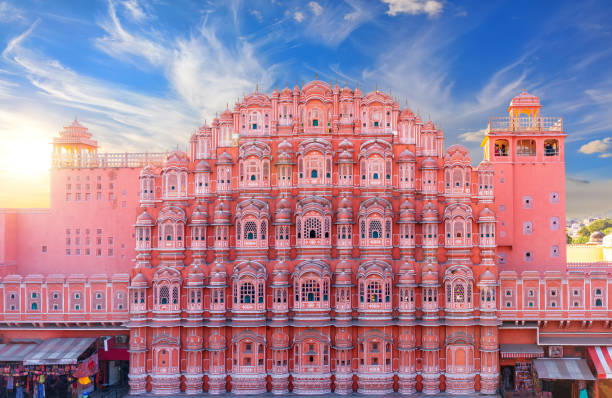
Rajasthan is one of the most rewarding regions in India for senior travellers — its heritage hotels and palace properties are among the finest and most comfortable in the country, the cities are all connected by smooth highways, and the cultural richness of the region rewards exactly the kind of slow, attentive engagement that older travellers bring.
The pace of a Rajasthan tour can be as gentle as you wish. A morning in Udaipur’s City Palace followed by a quiet afternoon boat ride on Lake Pichola, and an evening rooftop dinner with the water glowing below — this is a deeply pleasant way to spend a day, and it involves no strenuous activity at all. Jodhpur’s Mehrangarh Fort has a lift to the upper levels for those who prefer not to climb the stone stairs. Jaisalmer’s old city is best explored by vehicle or gentle walk, with plenty of shaded cafés and courtyards to rest in.
The heritage properties of Rajasthan — the converted havelis, palace hotels, and garden retreats that the region is famous for — are among the most comfortable and atmospheric places to stay in the world. Sitting on a haveli terrace in Jodhpur with a cup of chai, watching the blue city spread below and Mehrangarh rising above, is one of those experiences that stays with a person permanently.
Is Kerala suitable for senior travellers?
Kerala’s backwaters are one of the most naturally calming and accessible experiences in all of India. A houseboat cruise on the Kerala backwaters — gliding through gentle canals lined with coconut palms, with a crew who cooks your meals and manages everything on board — is among the most effortless and beautiful ways to spend two or three days anywhere in the world. There is nothing to navigate, no schedule to keep, and nowhere to rush.
The Kerala backwaters houseboat experience is entirely at your own pace. You sit on the deck. The canal moves past. The crew brings whatever you need. It is a profoundly restful experience that many senior travellers describe as the highlight of their entire India journey.
Kerala’s landscape is flat and green, the climate in the October to February season is gentle, and the South Indian cuisine — coconut-based, fresh, and largely mild in spice — suits many older visitors who prefer lighter flavours.
Is Varanasi suitable for senior travellers?
While some may find the city overwhelming, Varanasi offers a deeply meaningful experience for seniors interested in culture, religion, and history — a place where the essence of the Ganges comes to life. The iconic Ganga Aarti evening river worship ceremony is a must-see. You can watch from the ghats or, to avoid the crowds, enjoy a unique and comfortable view from a private boat.
A private boat on the Ganga — arriving before the ceremony begins, sitting with a view of the entire ghat from the water, watching the ceremony unfold with the sound of chanting and bells carrying across the river — is the ideal way for senior travellers to experience the Ganga Aarti without navigating the crowded ghat steps. This is exactly the kind of arrangement that a specialist tour operator puts in place as a matter of course.
What Is the Right Pace for Senior Travellers in India?
How do you plan an India itinerary that doesn’t feel rushed or exhausting?
The most important thing to understand about pacing an India trip for senior travellers is that more is always less. A well-paced itinerary that visits fewer places with more time at each is infinitely more satisfying than an ambitious schedule that leaves every day feeling hurried.
A good rule of thumb for senior travellers in India: no more than two major sights in a single day, always with a rest period in the middle of the day (the early afternoon, particularly in the warmer months, is naturally the right time to return to the hotel, have lunch, and rest before the cooler late afternoon). Travel between cities should be arranged for the morning when energy is freshest. Evenings should be genuinely relaxing — a gentle dinner, a cultural performance, or simply time on the hotel terrace.
A senior trip to India offers a relaxed pace, accessible accommodations, and enriching experiences — from peaceful yoga retreats to scenic boat rides through Kerala’s backwaters. With thoughtfully planned itineraries, private transfers, and senior-friendly stays, each moment is crafted for ease and enjoyment.
The ideal India tour for senior travellers covers one region well over ten to fourteen days — either the Golden Triangle with Rajasthan, or South India with Kerala — rather than attempting a cross-country circuit. The depth of experience in one well-chosen region is always greater than the breadth of a rushed all-India itinerary.
What Practical Things Should Senior Travellers Know About India?
What are the most important practical considerations for visiting India over 60?
Private transfers throughout: The single most important practical decision for senior travellers in India is to use private air-conditioned vehicles for all transfers between hotels and sights. This means you travel at your own pace, stop when you choose, and never need to navigate public transport, shared taxis, or crowded bus terminals. Every Explora Tours itinerary operates entirely on private transfers.
Airport assistance: All airports in India are required to provide wheelchair assistance and special assistance for passengers with reduced mobility. It is crucial to request wheelchair assistance at the time of booking or at least 48 hours in advance. This ensures a smooth transit from check-in to boarding. Senior travellers arriving at Delhi, Mumbai, or any major Indian airport will find well-staffed assistance desks and comfortable waiting facilities.
Indian Railways senior quota: As of 2026, Indian Railways supports senior citizens with quota priority and seat allotment benefits. Eligible travellers — men aged 60 and above and women aged 58 and above — should use the senior citizen lower berth quota when booking on IRCTC or at reservation counters and always carry valid age proof. This means that when trains are part of your itinerary, lower berths — the most comfortable and accessible sleeping positions — are prioritised for senior travellers.
Domestic flights: Senior citizens aged 60 and above are typically allowed to board aircraft before general boarding begins, giving extra time to settle in comfortably without the rush of other passengers. Free wheelchair service and priority boarding are available on request from all major Indian carriers. Always request this at the time of booking rather than at the airport.
Medication: Carry all prescription medications in their original packaging with a signed letter from your doctor listing all medications and dosages. Keep medications in your carry-on luggage rather than checked bags. India has well-stocked pharmacies in all major cities, but having your own supply is always recommended. Consult your doctor before departure about any adjustments to medication timing across time zones.
Travel insurance: Comprehensive travel insurance with medical coverage and emergency repatriation is essential. Ensure your policy specifically covers your pre-existing conditions and has adequate medical limits for international travel. Some standard policies exclude or limit coverage for travellers over 60 — check the terms carefully and seek a specialist senior travel insurance policy if needed.
Dietary preferences: Indian cuisine is extraordinarily varied and generally well-suited to older travellers’ preferences — vegetarian options are abundant everywhere, spice levels can be requested mild at any restaurant or hotel, and the fresh, herb-based character of South Indian cuisine in particular is both nutritious and digestible. Your tour operator should communicate any dietary requirements to every hotel and restaurant in advance.
Why Is a Guided Tour the Best Way for Senior Travellers to Visit India?
What does a specialist guided tour provide that independent travel cannot?
A single tour provider handling customised itineraries, private car service, and hotel bookings makes it easier to accommodate special requirements such as wheelchair accessibility, dietary preferences, and other personal requests, while providing continuous support for a worry-free experience.
For senior travellers, the value of a specialist guided tour goes beyond convenience. It means that every detail — from the height of the hotel room bed to the temperature of the transfer vehicle to the placement of your boat seat at the Ganga Aarti — has been considered and arranged by someone who has done it many times and knows what older travellers need. It means that if anything changes — a flight delay, a sudden health concern, a preference to spend an extra day somewhere — there is a professional on the ground to handle it immediately. And it means that your guide, who accompanies you throughout, becomes the interpreter of everything you are experiencing — the history, the culture, the human stories behind the places — in a way that transforms a pleasant sightseeing trip into a genuinely deep and lasting experience.
The Explora Tours designs every senior tour itinerary around three principles: comfort (hand-picked accommodation with senior-friendly facilities at every property), pace (never more than two major sights per day, always with midday rest time built in), and personalisation (every detail from dietary requirements to mobility needs communicated to every hotel, restaurant, and guide before you arrive).
What Is the Best Time of Year for Senior Travellers to Visit India?
When should older visitors plan an India trip for the most comfortable experience?
October to February is the ideal travel window for senior visitors to India. Temperatures across North India (Rajasthan, the Golden Triangle, Delhi) sit between 8°C and 25°C — pleasantly warm during the day and cool in the evenings. South India (Kerala, Tamil Nadu) is warm and clear from October to March, with gentle sea breezes along the coast.
The summer months (April to June) bring significant heat — often 40°C or above in Rajasthan and the north — which is not recommended for senior travellers. The monsoon (July to September) brings humidity and occasional rain, which can be tiring in the heat.
For the very best combination of climate, festivity, and availability: November to January is the sweet spot. The Golden Temple at Amritsar glows in the winter sun. The Taj Mahal is wreathed in morning mist. Rajasthan’s heritage hotels are at their most atmospheric. And the festivals of Diwali (October/November) and Christmas bring an additional warmth and festivity to the whole country.
Frequently Asked Questions
Is India safe and comfortable for travellers over 60? Yes — India is a safe and deeply rewarding destination for senior travellers. The country’s infrastructure has improved significantly in recent years, with modern airports providing full accessibility assistance, comfortable private car transfers available throughout, and a warm cultural respect for older visitors that is genuine and consistent. The key to a comfortable India experience at any age is good planning — a private guided tour with a specialist operator removes all the logistical complexity and allows senior travellers to focus entirely on the experience.
What are the best India destinations for senior travellers? The best India destinations for senior travellers are those that combine world-class sights with manageable terrain and a pace that allows genuine engagement. The Golden Triangle (Delhi, Agra, Jaipur) is the ideal introduction — flat, well-connected, and rich in cultural experience. Rajasthan adds palace hotels and desert landscapes at a very comfortable pace. Kerala’s backwaters offer one of the most restful travel experiences in the world — a private houseboat where everything is managed by the crew. Varanasi, experienced from a private boat on the Ganga, is deeply moving without requiring strenuous activity.
How physically demanding is an India tour for senior travellers? India tours with The Explora Tours are designed to be manageable for senior travellers at most fitness levels. The itinerary involves moderate walking at heritage sites — some of which have stone steps or uneven surfaces — but never requires strenuous hiking, long walks, or physical exertion. Sights are visited at a relaxed pace with generous rest time. Visitors with limited mobility can request modifications to any itinerary — many major sites have vehicle access close to the entrance and some (including Mehrangarh Fort in Jodhpur) have lifts available.
What should senior travellers pack for India? Senior travellers visiting India should pack comfortable, breathable clothing in modest styles (covering shoulders and knees for temple visits), comfortable walking shoes with good grip for uneven stone surfaces, a light warm layer for cool mornings and evenings in Rajasthan (November to February), all prescription medications in original packaging with a doctor’s letter, a good pair of sunglasses, sunscreen (SPF 50+), and a small daypack for sightseeing days. A compact folding walking stick or trekking pole can be helpful for uneven surfaces at heritage sites. Slip-on shoes are recommended for temple visits where shoes must be removed.
What is the best India tour for senior travellers? The best India tour for senior travellers depends on personal interest and mobility, but The Explora Tours’ most popular senior-friendly itineraries are the Golden Triangle Discovery (8 days, from $2,800 per person — ideal first India trip, manageable pace, exceptional cultural depth) and the Royal Rajasthan With Taj (10 days, from $3,995 per person — palace hotels, desert landscapes, and the Taj Mahal in a beautifully paced Rajasthan journey). Both tours operate on private transfers throughout, include expert local guides at every site, and can be customised around your specific requirements, mobility needs, and preferences.
Your India Journey Is Waiting
India has a way of giving people exactly what they come looking for — wonder, beauty, stillness, history, colour, warmth. For senior travellers with the patience to take it at its own pace, it gives all of these things and more.
At The Explora Tours, we have designed India journeys for travellers of all ages and all abilities. We know which heritage hotels have the most comfortable beds and the most accessible bathrooms. We know which monument approach roads allow vehicle access to the entrance. We know how to pace a day so it feels expansive rather than exhausting. And we know that the best India experience is one where nothing has been left to chance.
Our senior-friendly tours are designed around your comfort, your pace, and your interest — not around a generic schedule. Every detail, from your room allocation to your driver’s knowledge of your preferences, is arranged before you leave home.