
Introduction
Step into a world where stories of kings, queens, and empires are etched in stone and woven into the very fabric of daily life. From the golden deserts of Rajasthan to the gleaming marble of the Taj Mahal, this journey through India’s regal heritage offers a window into a civilization renowned for its art, architecture, and timeless traditions.
This expertly crafted experience takes you through the vibrant lanes of Jaipur, the imposing forts of Jodhpur, the sublime artistry of Ranakpur, and the breathtaking splendor of Agra.
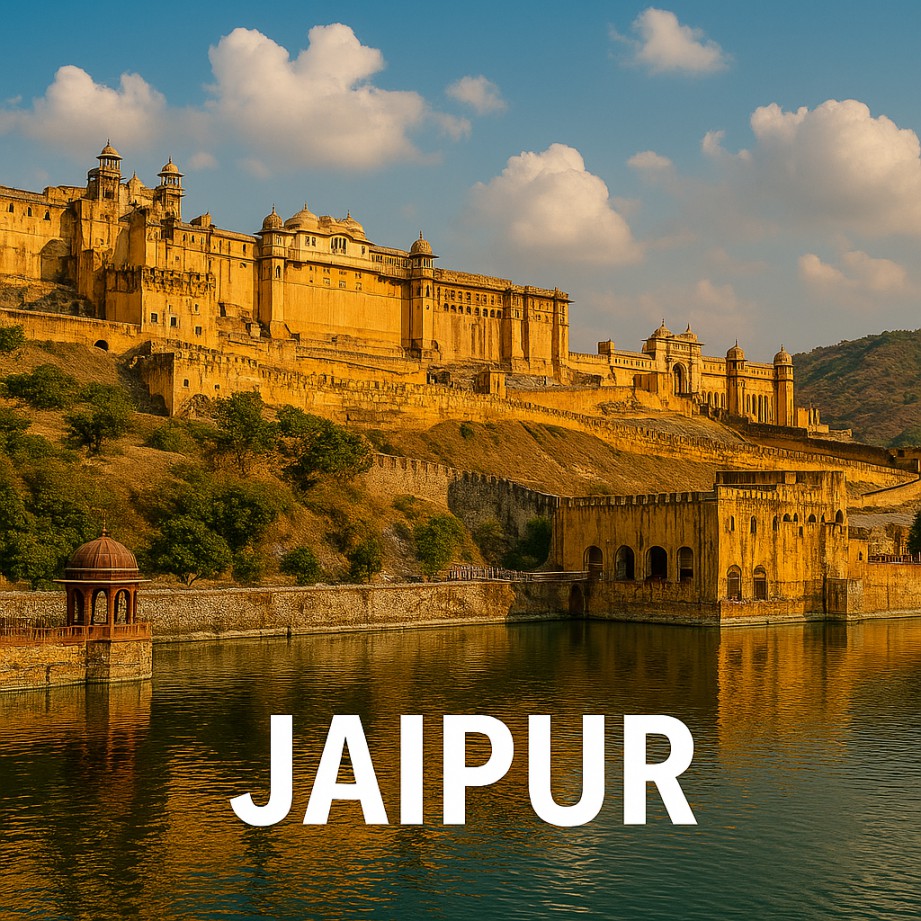
Jaipur – The Pink City of Royal Splendor
Founded in 1727 by Maharaja Sawai Jai Singh II, Jaipur is India’s first planned city, built according to ancient Vastu Shastra principles. Its rose-hued buildings earned it the nickname “The Pink City,” symbolizing hospitality.
Highlights of Jaipur:
- Amber Fort: A magnificent hilltop fortress combining Rajput and Mughal styles. Its Sheesh Mahal (Mirror Palace) glitters with thousands of inlaid mirrors that reflect even a tiny flame into a dazzling spectacle.
- City Palace: Still home to Jaipur’s royal family, this palace complex features courtyards, museums, and the famous Peacock Gate.
- Hawa Mahal: The Palace of Winds, with 953 small windows (jharokhas), was designed so royal women could observe street festivals unseen.
- Jantar Mantar: One of the world’s largest stone observatories, showcasing India’s scientific ingenuity.
Exploring Jaipur immerses you in a living heritage where vibrant bazaars, folk performances, and timeless traditions coexist with modern culture.
Jodhpur – The Blue City of Warriors
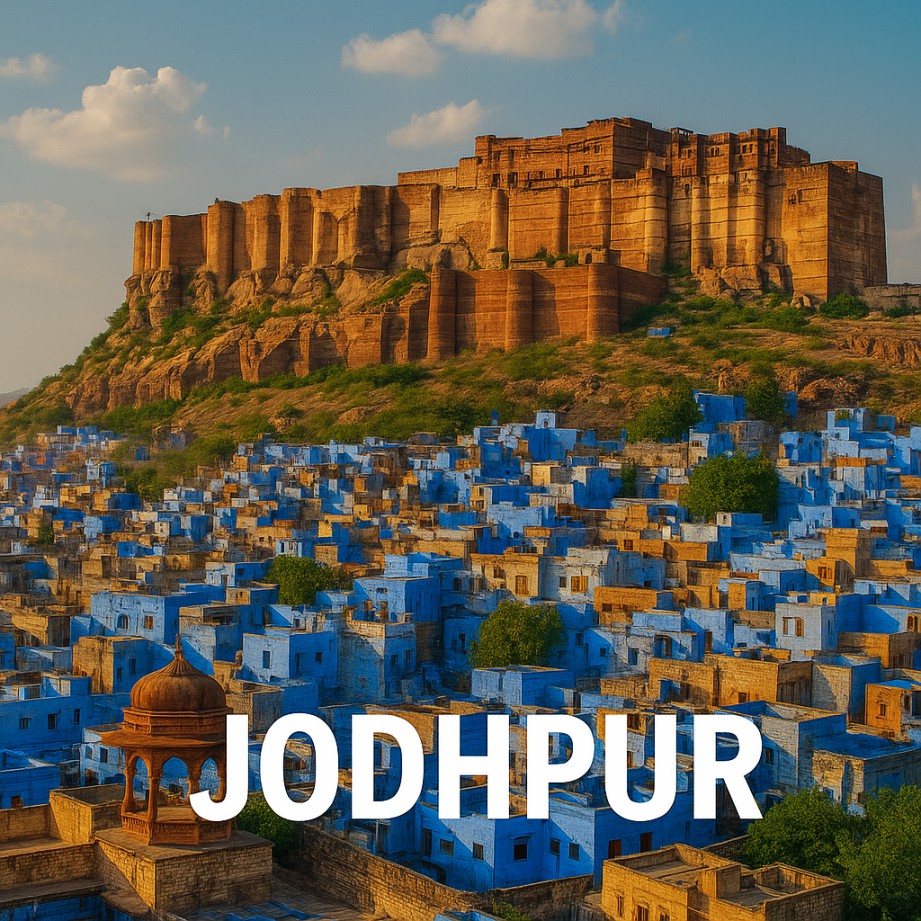
Perched on the edge of the Thar Desert, Jodhpur was founded in 1459 by Rao Jodha, the chief of the Rathore clan. The city flourished as a trade hub and remains synonymous with valor and splendor.
What Makes Jodhpur Special:
- Mehrangarh Fort: Rising 400 feet above the city, this colossal fort is among India’s most formidable. Its museums house priceless relics, palanquins, and weapons, while the ramparts provide panoramic views of the blue-washed old town below.
- Jaswant Thada: A white marble memorial built in honor of Maharaja Jaswant Singh II, often called the “Taj Mahal of Marwar” for its beauty.
- Umaid Bhawan Palace: One of the world’s largest private residences, this palace blends Art Deco and Indo-Saracenic styles. Part of it now operates as a luxury heritage hotel.
- Sardar Market: A vibrant bazaar near the Clock Tower where you can browse colorful textiles, spices, and handicrafts.
The blue houses of Jodhpur, once painted to denote Brahmin homes, create a striking contrast with the golden ramparts—symbolizing the city’s rich cultural tapestry.
Ranakpur – The Marble Poetry of Jain Architecture
Hidden in the quiet Aravalli hills, Ranakpur is renowned for one of the most breathtaking temples in India.
Why Ranakpur Captivates Visitors:
- Ranakpur Jain Temple: Constructed in the 15th century under the patronage of Rana Kumbha, this temple is dedicated to Adinath, the first Tirthankara. Its 1,444 intricately carved pillars, each unique, support ceilings adorned with delicate motifs and celestial figures. The play of light and shadow across the white marble creates a serene, almost meditative atmosphere.
- Surya Narayan Temple: Nearby, this smaller temple is dedicated to the Sun God, with detailed carvings depicting warriors and horses.
Ranakpur feels like a hidden sanctuary where devotion and artistry blend seamlessly into a masterpiece of architecture.
Agra – The Eternal Symbol of Love
No exploration of India’s heritage is complete without witnessing the Taj Mahal, an enduring testament to love and craftsmanship. Built between 1632 and 1653 by Mughal Emperor Shah Jahan, the Taj Mahal houses the tomb of his beloved wife, Mumtaz Mahal.
Highlights of Agra:
- Taj Mahal: This white marble mausoleum is celebrated for its perfect symmetry, intricate pietra dura inlay work, and serene gardens. Sunrise visits reveal the monument glowing in soft hues of pink and gold.
- Agra Fort: A UNESCO World Heritage Site, this red sandstone fortress was the seat of Mughal power before Delhi. Inside, you’ll find palaces, mosques, and audience halls that echo centuries of imperial history.
- Mehtab Bagh: Situated across the Yamuna River, this garden offers breathtaking reflections of the Taj Mahal at sunset.
Agra embodies the pinnacle of Mughal architecture, blending Persian, Islamic, and Indian influences into unforgettable landmarks.
A Journey into India’s Regal Heritage
What ties all these destinations together is the spirit of India’s royal legacy. From Jaipur’s pink facades and Jodhpur’s blue lanes to Ranakpur’s marble sanctuaries and the Taj Mahal’s timeless beauty, each place tells a chapter of India’s history—a narrative of ambition, artistry, faith, and love.
Best Time to Travel
The ideal months to experience Rajasthan and Agra are October to March, when days are pleasant and evenings cool. This season is perfect for exploring palaces, walking through bazaars, and enjoying cultural performances.
Travel Tips
- Dress modestly when visiting temples and monuments.
- Hire local guides for richer insights into each site’s history.
- Carry sunscreen, sunglasses, and a hat for protection during the day.
- Sample traditional dishes like Rajasthani thali, dal baati churma, and Mughlai delicacies in Agra.
Conclusion
This journey through Rajasthan and Agra isn’t just about sightseeing—it’s an immersion into the artistry, romance, and vibrant traditions that define India’s cultural soul. Whether you’re a history enthusiast, an architecture lover, or a traveler seeking authentic experiences, this regal heritage trail will leave you inspired.
Ready to begin your own royal adventure?
Contact The Explora Tours today to start planning your unforgettable trip.